
Multi-user interface for a laboratory automation system

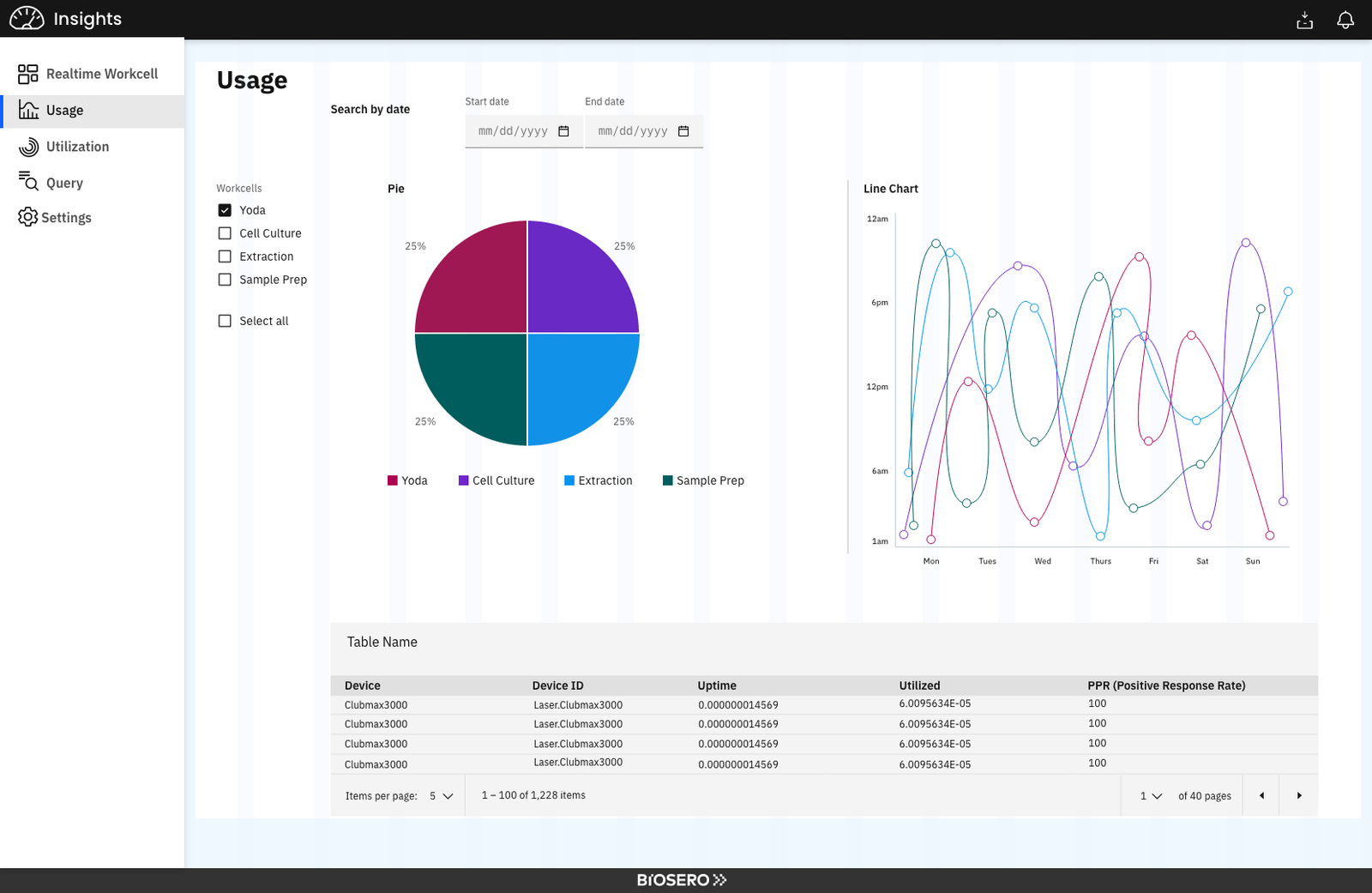
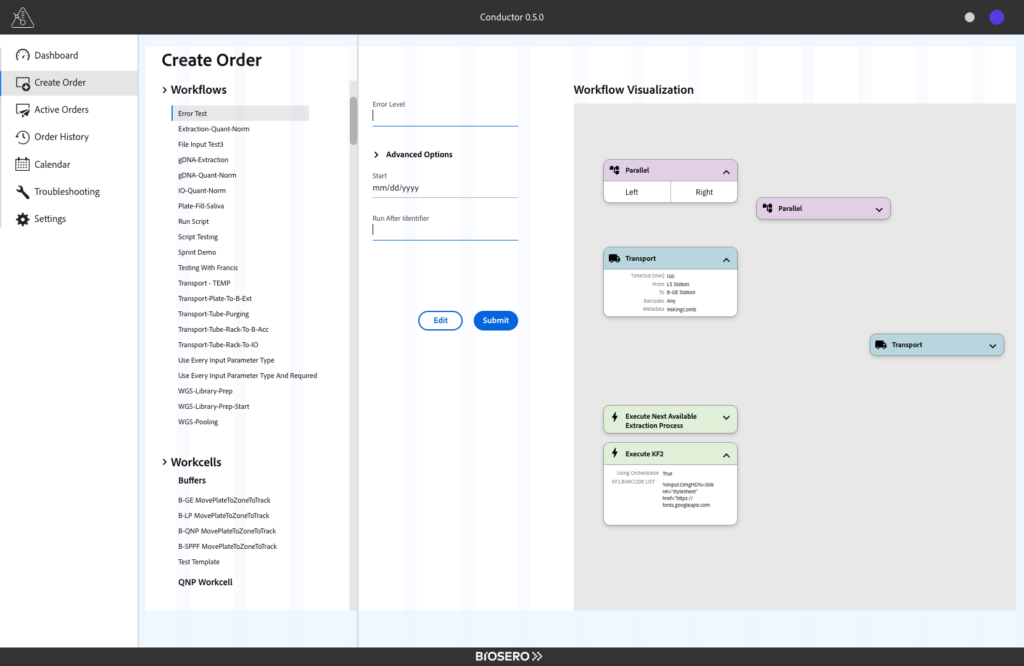
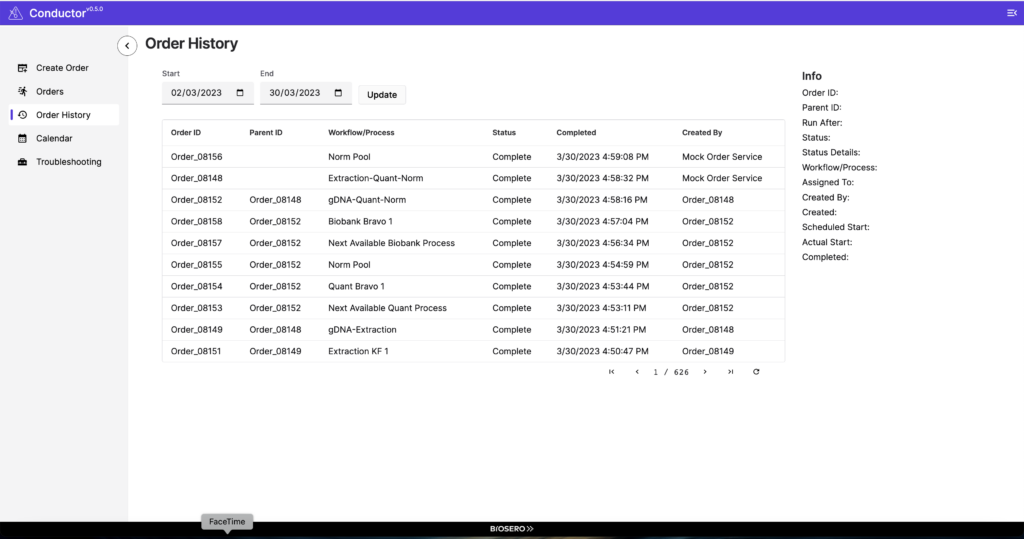
I designed the end-to-end interface for a laboratory automation system. The goal was to improve the experience of scientist in the laboratory to optimize their worflow. Stakeholders, to visualize the statistics of the usage of the laboratory stations, and managers to schedule and manage the laboratory processes.

The challenge

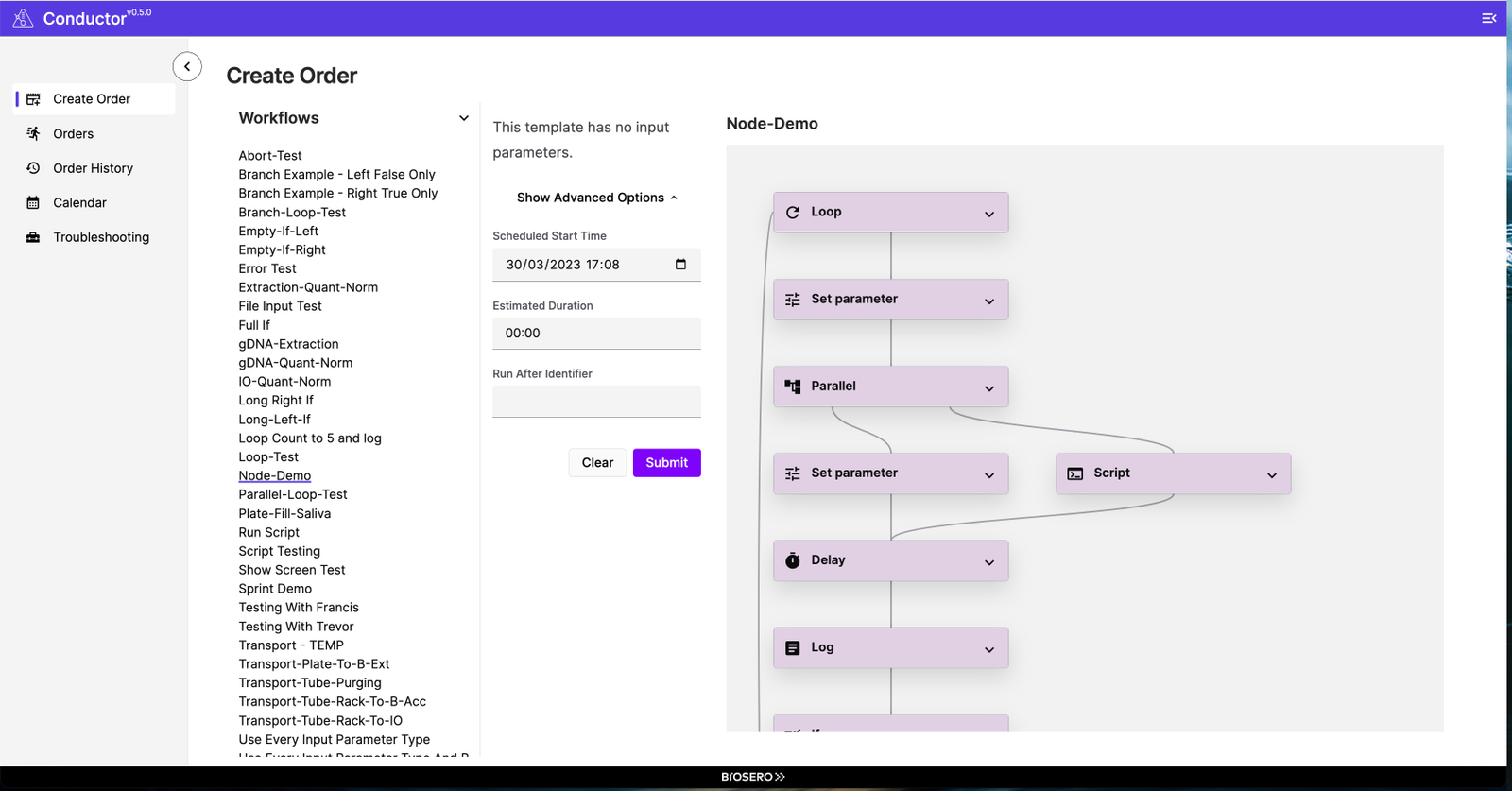
Architect, and design a software that connected with robotic laboratory hardware. Users needed the ability to create and monitor sophisticated laboratory workflows while understanding how each process step connected to the next.

The Solution

While specific business metrics were not formally tracked, the project delivered meaningful improvements to the user experience by:

  • Simplifying complex laboratory workflows.
  • Prioritize execution and status visibility
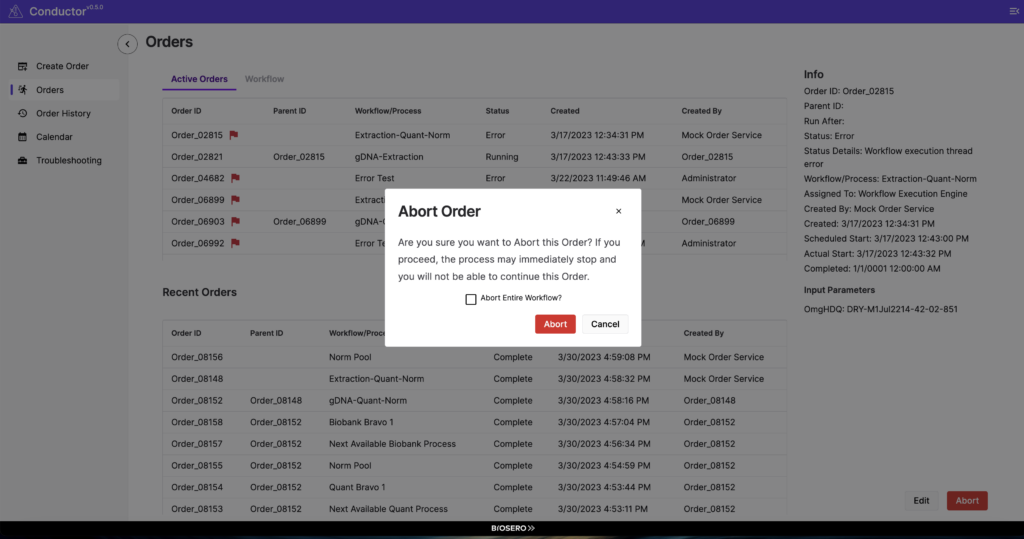
  • Troubleshooting efficiency.
  • Enhancing usability for both experienced and newer users.
  • Establishing scalable patterns through the evolving design system.

SKILLS

Information Architecture

Design Systems

UI components

Wireframeing

Prototyping

Agile Environment

Team collaboration

Multi users interfaces

UX strategy and Audits

TECH STACK

Figma

Adobe Creative Cloud

Adobe XD

Illustrator

Accessibility WCA

Accessibility WCA

Microsoft Azure

The Challenge

Biosero Conductor is a cloud-based laboratory management application that helps biomedical research teams orchestrate laboratory workflows, manage samples, and monitor operations across multiple systems. The platform enables laboratory professionals to create and track orders, troubleshoot workflow failures, and gain visibility into complex automation processes.


As the UX Designer on the project, I collaborated closely with researchers, laboratory staff, developers, product owners, and stakeholders to transform highly technical workflows into intuitive digital experiences.


In an Agile environment, I led UX activities from discovery through delivery, ensuring the final product reflected both user needs and business objectives.

One of the primary design goals was helping users understand and manage highly technical laboratory processes without overwhelming them.

Workflow Creation and Management

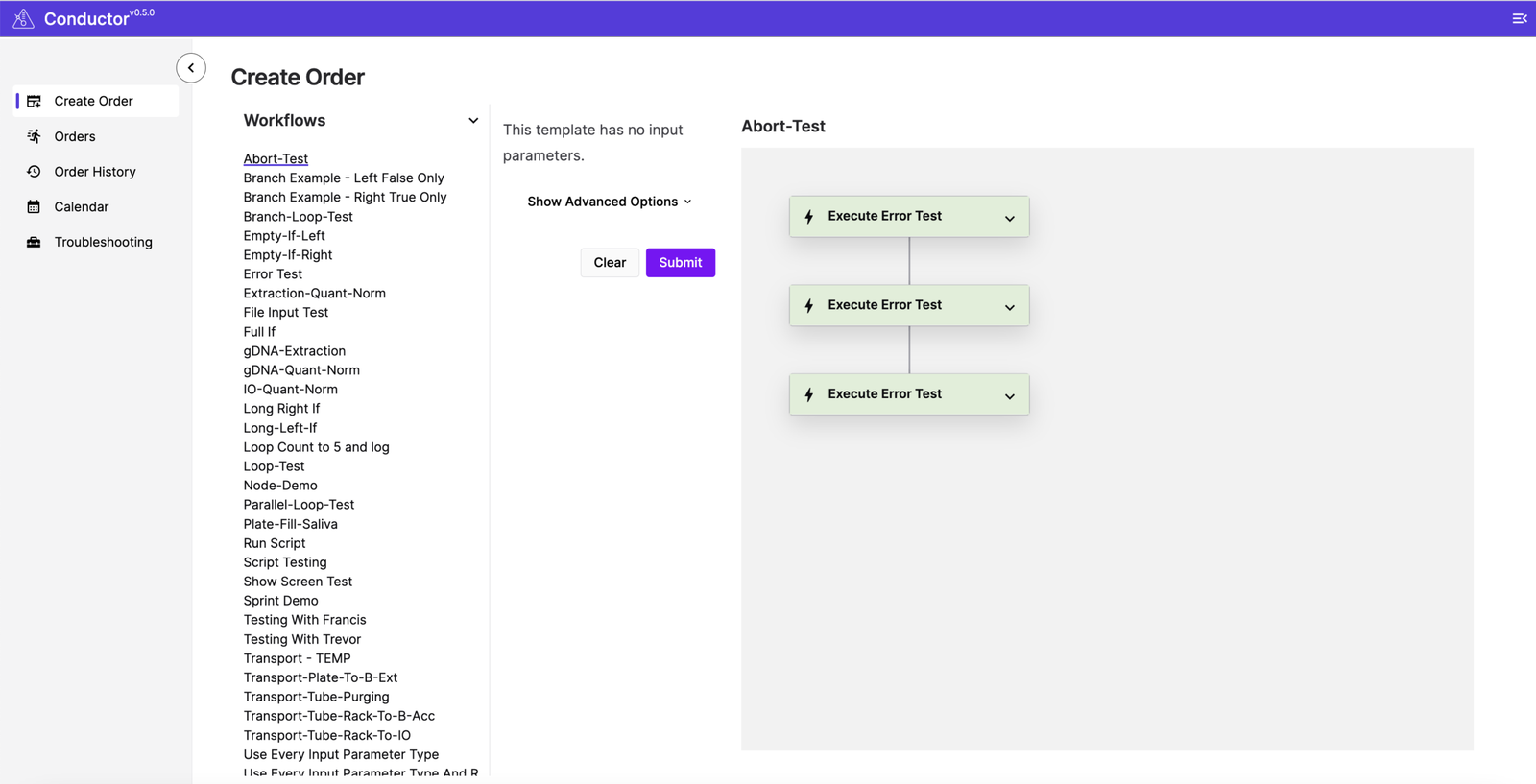
Users needed the ability to create and monitor sophisticated laboratory workflows while understanding how each process step connected to the next.

The interface was designed to:

  • Improve visibility of workflow execution.
  • Surface critical information at the right moment.
  • Reduce the cognitive effort required to manage orders.

LABORATORY WORKFLOWS

Laboratory workflows are inherently complex. Scientists and technicians work under time-sensitive conditions while managing large volumes of samples, automated equipment, and intricate processes that leave little room for error.


Existing workflows often required users to navigate technical interfaces that prioritized system functionality over usability. Information was difficult to interpret, troubleshooting processes were fragmented, and users lacked confidence when interacting with automation tools.


The challenge was to design a scalable and intuitive experience that could simplify these workflows while supporting the needs of both laboratory users and the business.

Aligning diverse perspectives

This project was highly collaborative.I worked closely with:


Product Owner

Partnered regularly to ensure that deliverables aligned with business goals, stakeholder expectations, and product vision.


Developers

Collaborated throughout the Agile development process to validate feasibility, clarify interactions, and support implementation.


Stakeholders

Facilitated conversations to align priorities and gather feedback from multiple perspectives.


End Users

Advocated for laboratory professionals by continuously incorporating their feedback into design decisions.

UNDERSTANDING THE USERS

Before designing solutions, I immersed myself in the users’ environment to understand their daily realities.

I visited the laboratory to observe technicians and scientists in their natural work setting, conducting interviews and contextual inquiries to uncover pain points, behaviors, and unmet needs. This firsthand exposure provided valuable insight into the pressures of managing laboratory operations and highlighted opportunities to reduce cognitive load and improve efficiency.


Through stakeholder discussions and collaborative workshops, we aligned on both user goals and business priorities.

KEY INSIGHTS

  • Users needed clearer visibility into workflow status and execution.
  • Troubleshooting processes were time-consuming and difficult to navigate.
  • Technical terminology created barriers for less experienced users.
  • The information hierarchy needed improvement to support faster decision-making.
  • Laboratory professionals valued efficiency, predictability, and transparency

RESULTS

While specific business metrics were not formally tracked, the project delivered meaningful improvements to the user experience by:


  • Simplifying complex laboratory workflows.
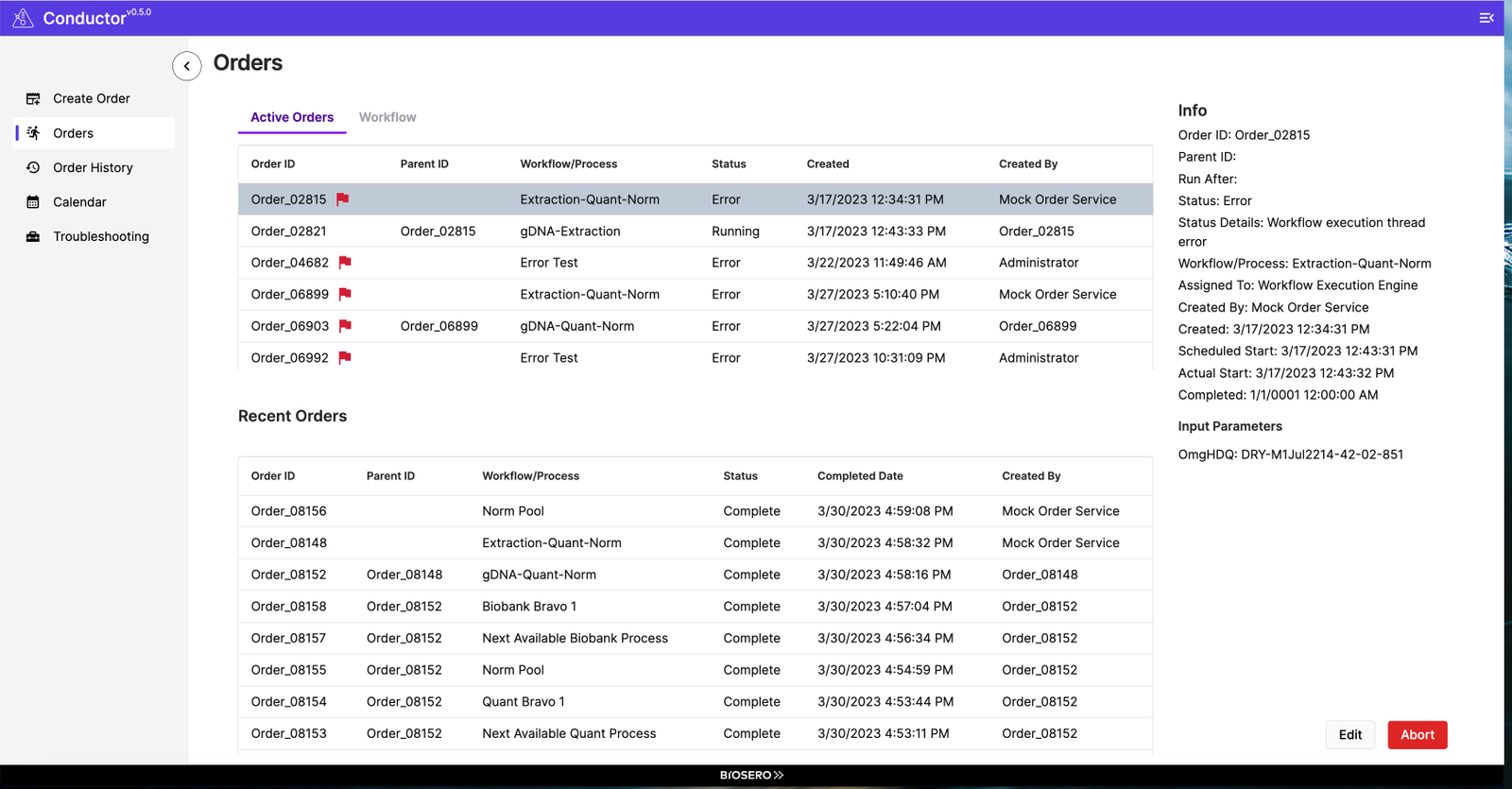
  • Increasing visibility into order execution and status.
  • Improving troubleshooting efficiency.
  • Enhancing usability for both experienced and newer users.
  • Establishing scalable patterns through the evolving design system.
  • Supporting a smoother transition from technical complexity to user-centered interactions.

Biosero reinforced the importance of designing within highly specialized domains where users operate under significant constraints and complexity.

It taught me that effective enterprise UX isn’t about simplifying the work itself—it’s about simplifying the experience of doing that work.

By embedding myself in users’ environments, collaborating across disciplines, and continuously iterating through feedback, I was able to help create a product that better supported the people behind critical biomedical research.

Looking back, this experience strengthened my ability to navigate ambiguity, facilitate alignment between users and stakeholders, and transform complex systems into experiences that feel intuitive, efficient, and trustworthy.

My take aways

Biosero reinforced the importance of designing within highly specialized domains where users operate under significant constraints and complexity.

It taught me that effective enterprise UX isn’t about simplifying the work itself—it’s about simplifying the experience of doing that work.

By embedding myself in users’ environments, collaborating across disciplines, and continuously iterating through feedback, I was able to help create a product that better supported the people behind critical biomedical research.

Looking back, this experience strengthened my ability to navigate ambiguity, facilitate alignment between users and stakeholders, and transform complex systems into experiences that feel intuitive, efficient, and trustworthy.

What I would do different

One thing I would change is to establish UX principles and run company-wide workshops to set design protocols and best practices. 


The lack of established protocols and ongoing user research slowed the process, leading to constant miscommunication across teams and departments such as marketing, engineering, design, and operations. 


Running periodic workshops would be the solution I would have adopted to mitigate the gaps we experienced as a team, giving everyone involved in the project a space to contribute, discuss, and participate in documented and proven results and ideas. 

Abril Alejo logo

© 2026 Abril Alejo. All rights reserved.